Showing posts with label career. Show all posts

Monday, August 24, 2020

Review Of How Did Taylor Swift's Career Start References

Taylor Swift's Best Career Moments! YouTube
Taylor Swift's Best Career Moments! YouTube from www.youtube.com

Have you ever wondered how Taylor Swift's career started? Well, you're not alone. Taylor Swift is one of the biggest names in the music industry, and her journey to success is nothing short of fascinating. In this article, we will explore the beginnings of Taylor Swift's career and how she became the superstar she is today.

When it comes to starting a career in the music industry, there are many challenges and obstacles to overcome. For Taylor Swift, her journey began at a young age when she started writing songs and playing the guitar. However, breaking into the industry was not easy, and she faced numerous rejections and setbacks along the way. Despite the difficulties, Taylor Swift persevered and never gave up on her dreams.

Taylor Swift's career officially started in 2006 when she released her self-titled debut album. The album received critical acclaim and quickly climbed the charts, establishing Taylor Swift as a rising star in the country music scene. She went on to release several more successful albums, each showcasing her growth as an artist and songwriter.

In summary, Taylor Swift's career started with her passion for music and her determination to succeed. Through hard work, perseverance, and a unique talent for songwriting, she was able to break into the music industry and become one of the most successful artists of our time.

How Did Taylor Swift's Career Start: A Personal Experience

As a fan of Taylor Swift, I have always been intrigued by her journey to stardom. I remember hearing her songs on the radio for the first time and being captivated by her storytelling and relatable lyrics. It was clear from the beginning that Taylor Swift had something special.

One of the things that stood out to me about Taylor Swift's career start was her ability to connect with her audience. Through her music, she shared personal experiences and emotions that resonated with people of all ages. This authenticity and vulnerability are what set her apart from other artists in the industry.

Another aspect of Taylor Swift's career start that fascinated me was her songwriting process. She wrote or co-wrote all of the songs on her albums, showcasing her talent for storytelling and creating catchy melodies. Her ability to write relatable songs about love, heartbreak, and growing up endeared her to millions of fans around the world.

Furthermore, Taylor Swift's career start was marked by her commitment to her fans. She engaged with them through social media, surprise visits, and intimate concerts, creating a strong and loyal fan base. This connection with her audience has been a key factor in her continued success.

In conclusion, Taylor Swift's career start is a testament to her passion, hard work, and talent. From her humble beginnings as a young songwriter to her current status as a global superstar, Taylor Swift has proven that dreams can come true with dedication and perseverance.

How Did Taylor Swift's Career Start: History and Myth

The history of Taylor Swift's career start is a fascinating tale of talent, determination, and a little bit of luck. Born and raised in Pennsylvania, Taylor Swift discovered her love for music at a young age. She started writing songs and performing at local venues, honing her skills and dreaming of a career in the music industry.

At the age of 14, Taylor Swift convinced her parents to move to Nashville, Tennessee, the country music capital of the world. She believed that this was where she needed to be to pursue her dreams of becoming a singer-songwriter. This decision proved to be a pivotal moment in her career.

Upon arriving in Nashville, Taylor Swift faced numerous rejections from record labels and industry professionals. However, she refused to give up and continued to write songs and perform at every opportunity she could find. Her perseverance paid off when she caught the attention of Scott Borchetta, the founder of Big Machine Records.

Scott Borchetta saw the potential in Taylor Swift and signed her to his label. In 2006, she released her self-titled debut album, which quickly gained popularity and established her as a rising star in the country music scene. From there, her career took off, and she became a household name.

Despite the myths surrounding Taylor Swift's career start, such as being an overnight success or having connections in the industry, her journey was far from easy. It took years of hard work, dedication, and resilience to achieve the level of success she has today.

How Did Taylor Swift's Career Start: Hidden Secrets

While Taylor Swift's career start may seem like a fairytale, there are some hidden secrets that have contributed to her success. One of the secrets is her ability to reinvent herself and adapt to the ever-changing music industry.

Throughout her career, Taylor Swift has experimented with different genres and styles of music, constantly evolving and pushing boundaries. This willingness to take risks and try new things has allowed her to stay relevant and capture the attention of a wide audience.

Another hidden secret of Taylor Swift's career start is her strategic marketing and branding. She understands the power of storytelling and has mastered the art of creating a narrative around her music and persona. This has helped her connect with fans on a deeper level and build a strong and loyal following.

Furthermore, Taylor Swift has been known to surprise fans with unexpected releases and marketing tactics. From secret album drops to personalized gifts for fans, she has created a sense of excitement and exclusivity that keeps her fans engaged and eager for more.

Overall, the hidden secrets of Taylor Swift's career start reveal a strategic and calculated approach to her music and image. While her talent and hard work are undeniable, it is her ability to adapt, market, and surprise that has set her apart from other artists.

How Did Taylor Swift's Career Start: Recommendations

If you're looking to kickstart your own music career, here are some recommendations inspired by Taylor Swift's journey:

  1. Follow your passion: Find what you love and pursue it with all your heart. Taylor Swift's love for music is what drove her to overcome obstacles and achieve success.
  2. Embrace your unique voice: Don't be afraid to be yourself and showcase your individuality. Taylor Swift's authentic and relatable songs resonated with millions of fans.
  3. Stay true to your vision: Don't let others dictate your path. Taylor Swift stayed true to her country roots while also exploring new genres, staying true to her artistic vision.
  4. Connect with your audience: Engage with your fans and create a strong connection. Taylor Swift's dedication to her fans has been a key factor in her success.

How Did Taylor Swift's Career Start: A Closer Look

To truly understand how Taylor Swift's career started, let's delve into the details. It all began with her move to Nashville, the heart of the country music industry. This decision allowed her to immerse herself in the music scene and make connections with industry professionals.

While in Nashville, Taylor Swift attended songwriting workshops and showcases, where she honed her craft and networked with other musicians. She also performed at local venues and gained a devoted local fan base.

Eventually, Taylor Swift caught the attention of Scott Borchetta, who saw her potential and signed her to his label, Big Machine Records. This partnership provided her with the resources and support she needed to launch her career.

Once signed, Taylor Swift released her debut single "Tim McGraw," which quickly gained popularity and introduced her to a wider audience. This was followed by her self-titled debut album, which solidified her place in the country music scene.

From there, Taylor Swift continued to release successful albums, each showcasing her growth as an artist and expanding her fan base. She crossed over into the pop genre with her album "1989," which became a massive commercial success and cemented her status as a global superstar.

Overall, Taylor Swift's career start can be attributed to a combination of talent, hard work, and seizing opportunities. It was her passion, determination, and ability to connect with her audience that propelled her to success.

Tips for Starting Your Own Music Career

If you're inspired by Taylor Swift's career start and want to pursue your own music career, here are some tips to get you started:

  1. Hone your skills: Practice your instrument, take vocal lessons, and continue to improve your craft. The more you work on your skills, the better you will become.
  2. Write your own songs: Develop your songwriting skills and create original music. This will help you stand out and showcase your unique voice.
  3. Network and collaborate: Attend local music events, connect with other musicians, and collaborate on projects. Building relationships within the industry can open doors and provide valuable opportunities.
  4. Utilize social media: Create an online presence and engage with your audience through platforms like YouTube, Instagram, and TikTok. Social media can be a powerful tool for self-promotion and connecting with fans.
  5. Perform live: Take every opportunity to perform live, whether it's at open mic nights, local venues, or even virtual concerts. Performing in front of an audience will help you gain confidence and build a fan base.

Cool How To Start A Career In Conservation References

How do I start a Career in Wildlife Conservation & Science? lifepage
How do I start a Career in Wildlife Conservation & Science? lifepage from lifepage.hatenablog.com

If you have a passion for the environment and want to make a difference in the world, starting a career in conservation may be the perfect path for you. Conservation careers allow you to work towards protecting and preserving natural resources, wildlife, and ecosystems. In this article, we will explore how to start a career in conservation and provide valuable tips and insights to help you navigate this rewarding field.

Starting a career in conservation can be challenging, but the rewards are well worth it. Many people are drawn to this field because of their love for nature and desire to protect it. However, there are also many obstacles and uncertainties that come with pursuing a career in conservation. Figuring out where to start, what qualifications are needed, and how to gain relevant experience can be overwhelming.

The first step in starting a career in conservation is to gain a solid understanding of the field and the various specializations available. Conservation encompasses a wide range of disciplines, including wildlife conservation, marine conservation, forestry, environmental science, and more. Research different areas of conservation to determine which aligns with your interests and strengths.

Once you have identified your area of interest, it is important to gain the necessary education and experience. Many conservation jobs require at least a bachelor's degree in a related field such as biology, ecology, or environmental science. Consider pursuing internships, volunteer opportunities, or research projects to gain hands-on experience and make valuable connections in the field.

Personal Experience: My Journey in Conservation

When I first decided to pursue a career in conservation, I knew I had a long road ahead of me. I started by obtaining a bachelor's degree in environmental science, which provided me with a solid foundation of knowledge in the field. During my time in college, I also took advantage of various volunteering opportunities and internships to gain practical experience.

One of the most valuable experiences I had was working as a research assistant on a marine conservation project. This opportunity allowed me to work closely with scientists and conservationists in the field, conducting research and collecting data on marine ecosystems. It was during this time that I truly fell in love with conservation and knew that it was the right path for me.

After completing my degree, I continued to gain experience and expand my knowledge through various roles and projects. I joined a local conservation organization as a project coordinator, where I was able to work on community-based conservation initiatives and engage with stakeholders. This experience not only allowed me to make a difference in the local community but also helped me refine my skills and build a strong network of professionals in the field.

Throughout my journey, I have learned that passion, dedication, and perseverance are key to success in the conservation field. It is a challenging and competitive field, but it is also incredibly rewarding. Seeing the impact of your work and knowing that you are making a difference in the world is truly fulfilling.

What is Conservation and How to Start a Career in It?

Conservation is the practice of protecting and preserving the natural environment, including ecosystems, wildlife, and natural resources. It involves the sustainable use and management of these resources to ensure their long-term survival for future generations. Starting a career in conservation requires a combination of education, experience, and passion for the environment.

To begin a career in conservation, it is important to first identify your specific area of interest. Conservation encompasses a wide range of disciplines, including wildlife conservation, forestry, marine conservation, and more. Research different areas and determine which aligns with your interests and skills.

Once you have identified your area of interest, it is important to gain the necessary education and experience. Many conservation jobs require at least a bachelor's degree in a related field, such as biology, ecology, or environmental science. Consider pursuing internships, volunteer opportunities, or research projects to gain practical experience and make valuable connections in the field.

In addition to education and experience, networking is crucial in the conservation field. Attend conferences, workshops, and events to connect with professionals in the industry. Join local conservation organizations and participate in community-based initiatives to build relationships and expand your network.

The History and Myth of Conservation

The history of conservation dates back centuries, with early efforts focused on preserving natural resources for future generations. One of the earliest recorded conservation efforts can be traced back to ancient civilizations, such as the Mauryan Empire in India, where Emperor Ashoka implemented policies to protect wildlife and forests.

Over time, conservation efforts evolved and became more widespread. In the 19th and 20th centuries, the establishment of national parks and protected areas became a priority to safeguard unique ecosystems and biodiversity. The conservation movement gained momentum with the publication of influential books, such as "Silent Spring" by Rachel Carson, which raised awareness about the detrimental effects of pesticides on the environment.

Despite the long history of conservation, there are still myths and misconceptions surrounding the field. One common myth is that conservation is only for scientists or experts. In reality, conservation requires a multidisciplinary approach and welcomes individuals from various backgrounds and skill sets. Whether you are a scientist, educator, communicator, or policy-maker, there is a place for you in the conservation field.

The Hidden Secrets of Conservation

While conservation may seem straightforward on the surface, there are hidden secrets and challenges that professionals in the field face. One of the secrets of conservation is the delicate balance between economic development and environmental preservation. Conservationists often have to navigate complex political and social landscapes to find sustainable solutions that benefit both people and the environment.

Another hidden secret of conservation is the need for long-term commitment and patience. Conservation is not a quick fix, but rather a continuous effort that requires dedication and perseverance. It may take years or even decades to see the results of conservation initiatives, but the impact is worth the wait.

Recommendations for Starting a Career in Conservation

If you are looking to start a career in conservation, here are some recommendations to help you get started:

  1. Identify your area of interest and research different conservation disciplines.
  2. Gain the necessary education and experience through internships, volunteer work, or research projects.
  3. Network with professionals in the field by attending conferences and joining local organizations.
  4. Stay up-to-date with the latest research, technologies, and trends in conservation.
  5. Be open to learning and adapting to new challenges and opportunities.

Exploring Career Paths in Conservation

There are numerous career paths available in the field of conservation, each with its own unique set of responsibilities and requirements. Some popular career paths include:

  • Wildlife Biologist
  • Conservation Scientist
  • Environmental Educator
  • Marine Biologist
  • Forester
  • Conservation Officer

These are just a few examples, and there are many other career paths to explore in conservation. Research different roles and talk to professionals in the field to gain a better understanding of the opportunities available.

Tips for Starting a Career in Conservation

Here are some tips to help you start a successful career in conservation:

  1. Gain hands-on experience through internships, volunteer work, or research projects.
  2. Develop strong communication and problem-solving skills.
  3. Stay informed about current environmental issues and conservation practices.
  4. Network with professionals in the field and attend relevant conferences and events.
  5. Consider pursuing advanced degrees or certifications to enhance your skills and knowledge.

Question and Answer

Q: What qualifications do I need to start a career in conservation?
A: Many conservation jobs require at least a bachelor's degree in a related field, such as biology, ecology, or environmental science. Additional qualifications, such as certifications or advanced degrees, may also be beneficial depending on your career goals.

Q: Is it necessary to have field experience in conservation?
A: Field experience is highly valued in the conservation field. It provides practical skills and knowledge that are essential for many roles. Consider volunteering, interning, or participating in research projects to gain valuable field experience.

Q: Are there opportunities for international conservation work?
A: Yes, there are numerous opportunities for international conservation work. Many organizations and projects operate globally and offer opportunities to work in different countries and continents. Research international conservation organizations and programs to find opportunities that align with your interests.

Q: How can I make a difference in conservation without a formal career?
A: You don't need a formal career in conservation to make a difference. There are many ways to contribute to conservation efforts, such as volunteering, supporting local organizations, raising awareness, and practicing sustainable habits in your daily life.

Conclusion of How to Start a Career in Conservation

In conclusion, starting a career in conservation requires passion, dedication, and a commitment to protecting and preserving the environment. By gaining the necessary education, experience, and skills, you can pursue a fulfilling career in this field. Remember to stay informed, network with professionals, and always strive to make a positive impact on the world around you.

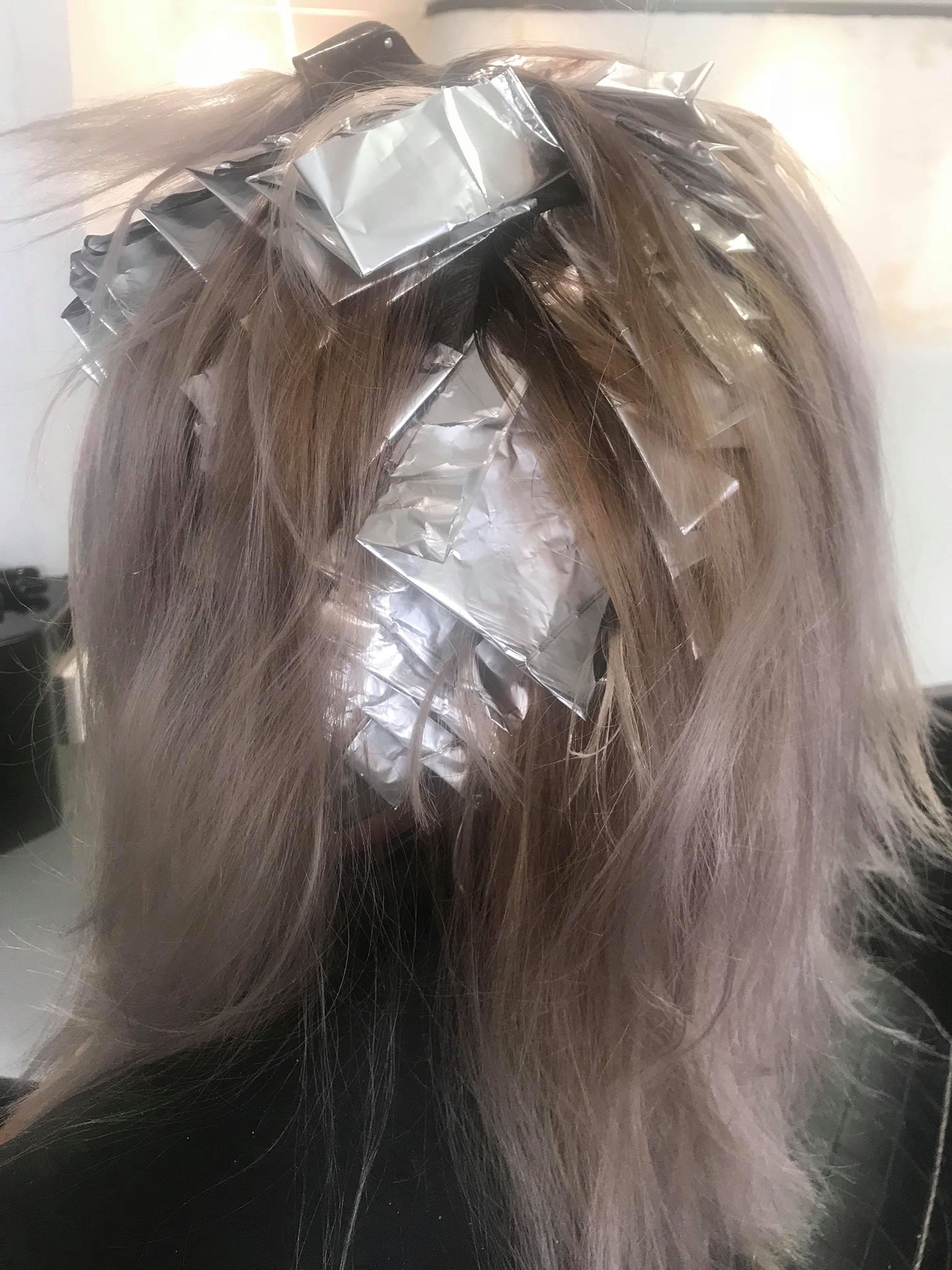
The Difference Between Foilayage, Hair Foils & Balayage

Table Of Content What Is Foilyage Hair? Can You Use Purple Toning Shampoo On Brown Hair? Using a Hair Color Developer Should You Wash Your H...